
Most dental problems don’t start with pain. In fact, many of the most serious oral health issues develop quietly, without obvious symptoms. By the time discomfort appears, the condition may already be advanced. That’s why regular dental visits matter far more than most people realize.
Early detection is one of the biggest advantages of professional dental care. Dentists are trained to notice subtle changes in your teeth, gums, and bite things that are easy to overlook at home. These small signs can reveal problems long before they affect your comfort, appearance, or daily life.
For many families, busy schedules, work commutes, and school routines make it easy to postpone dental checkups. But in a growing community where outdoor recreation, family life, and year-round activities are part of daily living, oral health often plays a bigger role than people expect. Preventive care helps ensure dental problems don’t interfere with the lifestyle you enjoy.
So how exactly do dentists spot issues before you feel a thing? Let’s take a closer look.
What Dentists Look for During Routine Exams
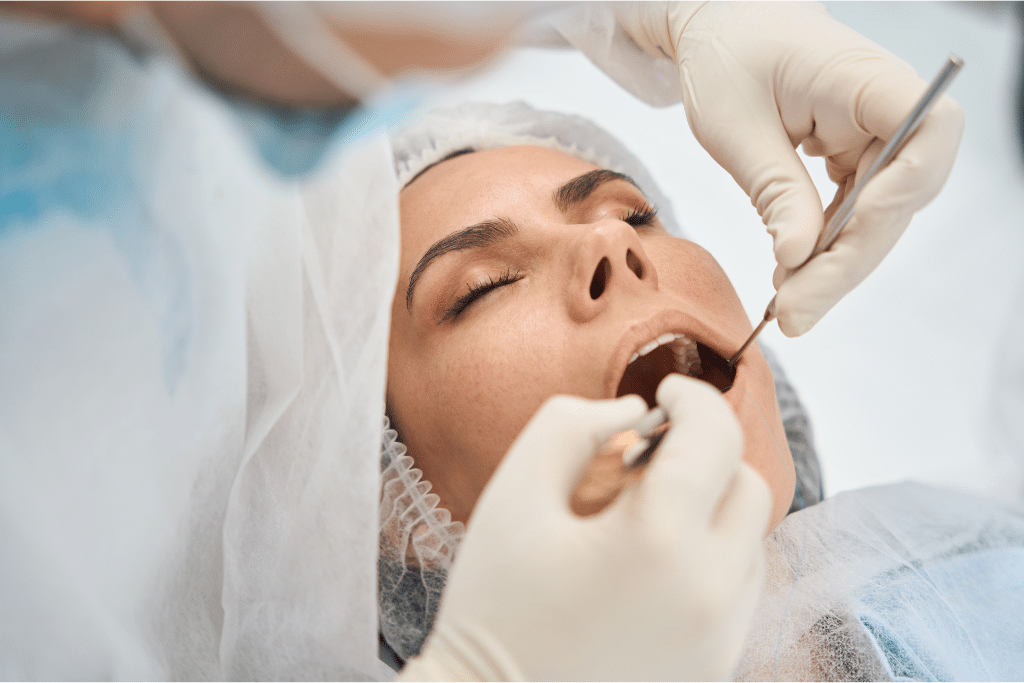
Even when everything feels fine, a dental exam involves much more than a quick glance at your teeth. Dentists follow a systematic process designed to catch early warning signs.
Visual Examination
Dentists inspect your teeth and gums for:
- Tiny cracks or weakened enamel
- Early cavities forming between teeth
- Gum inflammation or recession
- Changes in tooth color or texture
These signs often develop without pain and are nearly impossible to spot without professional training.
Gum Health Evaluation
Bleeding gums aren’t the only indicator of gum disease. Dentists check:
- Pocket depth around teeth
- Gum attachment levels
- Subtle swelling or redness
Catching gum disease early can prevent bone loss and future tooth mobility.
Diagnostic Tools That Reveal Hidden Problems
Modern dentistry relies on advanced diagnostic tools that go far beyond what the naked eye can see.
Digital X-Rays
Low-radiation digital X-rays help detect:
- Decay between teeth
- Infections below the gumline
- Bone loss or impacted teeth
Many patients visiting a dentist in Orem are surprised to learn they had an issue developing beneath the surface without any symptoms.
Oral Cancer Screenings
Dentists routinely screen for abnormal tissue changes in the mouth, tongue, and throat. Early detection dramatically improves outcomes and is a vital part of preventive care.
Bite and Jaw Analysis
Small bite imbalances can lead to:
- Chronic jaw discomfort
- Uneven tooth wear
- Headaches or neck tension
Dentists can identify these problems before they escalate into long-term issues.
Why Early Detection Matters More Than Treatment
Finding a problem early often means simpler, more affordable care. What starts as a small cavity may only require a filling but if ignored, it could lead to infection or tooth loss.
Patients who regularly visit Orem dentists often benefit from:
- Shorter appointments
- Less invasive treatments
- Lower long-term dental costs
Early care also helps preserve natural teeth, which is always the best option for oral health.
Subtle Signs Patients Often Miss at Home
Many people assume they’ll “feel it” when something is wrong. In reality, early dental issues are often silent.
You might overlook:
- Mild sensitivity that comes and goes
- Slight gum tenderness
- Occasional bad breath
- Small chips or worn edges on teeth
A trusted Orem dentist can connect these minor signs to larger underlying concerns before they worsen.
Local Lifestyle Factors That Affect Oral Health
Life in Utah County comes with unique habits that influence dental health:
- Active outdoor lifestyles can increase the risk of dental injuries
- Dry climate may contribute to dry mouth, which raises cavity risk
- Busy family schedules often delay preventive appointments
Regular checkups with a dentist in Orem help address these factors proactively, keeping smiles healthy year-round.
How Often Should You Get Checked?
For most people, dental visits every six months are ideal. However, those with gum concerns, a history of cavities, or ongoing dental work may need more frequent visits. Dentists personalize care based on individual risk—not a one-size-fits-all schedule.
Patients who maintain routine care with Orem dentists often experience fewer emergencies and better long-term outcomes.
Tips to Support Early Detection Between Visits
While professional exams are essential, you can help by:
- Brushing twice daily with fluoride toothpaste
- Flossing once a day
- Paying attention to small changes in your mouth
- Avoiding sugary snacks and acidic drinks
If something feels “off,” don’t wait to schedule an exam.
Take the Next Step Toward a Healthier Smile
Early detection is the key to protecting your smile, comfort, and confidence. Regular dental visits ensure small issues don’t turn into big problems helping you stay healthy and worry-free.
If you’re ready to prioritize preventive care and personalized attention, Schedule your next appointment with The Dental Center today. A healthier smile starts with one simple visit.
Frequently Asked Questions
Can Dentists Really Find Problems Before I Feel Pain?
Yes. Many dental issues develop slowly and painlessly. Dentists are trained to spot early changes using exams and diagnostic tools.
Are X-Rays Necessary If I Feel Fine?
Absolutely. X-rays reveal issues below the surface that can’t be seen during a visual exam.
What Happens If Early Problems Are Ignored?
Minor issues can progress into infections, gum disease, or tooth loss often requiring more complex treatment.
Do Regular Checkups Really Save Money?
Yes. Preventive care is far less expensive than treating advanced dental problems.