
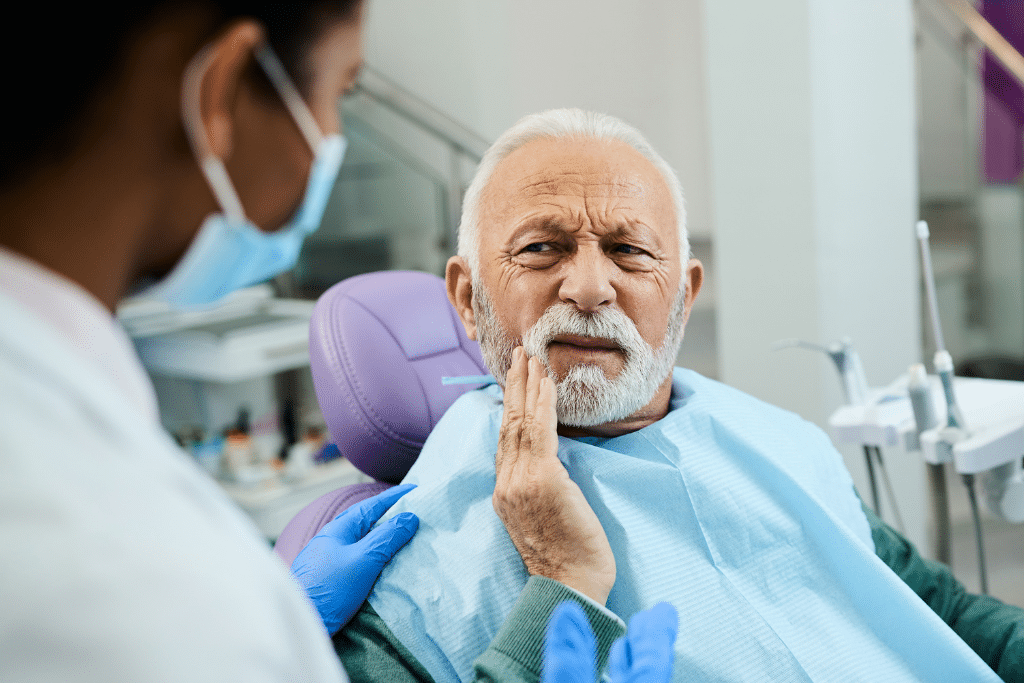
Your mouth has a way of telling you when something isn’t right. The challenge? Most people brush off early symptoms and assume they’ll go away on their own. A little bleeding here, mild sensitivity there it’s easy to ignore. But small warning signs often turn into bigger (and more expensive) problems when left untreated.
If you’ve been putting off a visit, this guide will help you recognize when it’s time to take action. Paying attention now can save your smile later.
1. Bleeding Gums When You Brush or Floss
Healthy gums should not bleed regularly. If you notice pink in the sink, your body may be signaling early gum inflammation.
Common causes:
- Plaque buildup along the gumline
- Gingivitis (early gum disease)
- Improper brushing technique
In a community like Orem, where busy work schedules and family life can make routines hectic, it’s easy to skip flossing. But untreated gum disease can progress and affect bone support around your teeth.
If bleeding continues for more than a week, it’s time to have it evaluated by a dentist in Orem who can check for early-stage periodontal issues and recommend preventive care.
2. Persistent Bad Breath
Morning breath is normal. Chronic bad breath isn’t.
If mouthwash only masks the problem, it could be caused by:
- Bacteria buildup
- Gum disease
- Tooth decay
- Dry mouth
Utah’s dry climate can contribute to reduced saliva flow, especially during colder months. Saliva helps wash away bacteria, so when it’s lacking, odor-causing bacteria thrive.
A professional cleaning and exam can often resolve the root cause rather than just covering up symptoms.
3. Tooth Sensitivity That Lingers
A quick zing from ice cream isn’t uncommon. But sharp pain that lingers after hot or cold foods may signal:
- Enamel erosion
- Cavities
- Cracked teeth
- Receding gums
Sensitivity that lasts more than a few seconds deserves attention. Early treatment prevents deeper damage that could eventually require more complex procedures.
4. Jaw Pain or Frequent Headaches
Do you wake up with a sore jaw? Experience clicking sounds when chewing? Notice tension headaches?
These may be signs of:
- Teeth grinding (bruxism)
- TMJ disorder
- Bite misalignment
Stress-related grinding is common, especially among professionals and students balancing work and school responsibilities. Orem dentists frequently see patients who didn’t realize their headaches were dental-related until an evaluation uncovered bite issues.
5. Sores That Don’t Heal
A canker sore typically resolves within two weeks. If a sore lingers longer than that, it should be examined.
Persistent sores, white patches, or unusual lumps can indicate:
- Infection
- Irritation from dental appliances
- Oral health conditions requiring further evaluation
Early detection is key to protecting long-term health.
6. Loose or Shifting Teeth
Adult teeth should not feel loose. If your bite feels different or teeth appear to shift:
- Gum disease may be weakening bone support
- Infection may be present
- Bone loss could be occurring
The earlier this is addressed, the better the outcome. Ignoring movement can lead to permanent damage.
7. Dry Mouth That Won’t Go Away
Saliva plays a major role in protecting your teeth. Chronic dry mouth increases risk for:
- Cavities
- Gum disease
- Difficulty swallowing
- Bad breath
Many residents experience seasonal dryness due to Utah’s climate. If sipping water constantly isn’t helping, it’s worth discussing during your next dental visit.
8. Pain When Chewing
Pain while chewing often indicates:
- Cracked tooth
- Advanced decay
- Infection in the tooth pulp
Pain rarely resolves on its own. It usually worsens over time. Early care can prevent the need for more extensive treatment.
9. Receding Gums
If your teeth look longer than they used to, your gums may be receding. This exposes sensitive root surfaces and increases vulnerability to decay.
Causes may include:
- Aggressive brushing
- Gum disease
- Genetics
Professional evaluation can help stop progression and protect your enamel.
Why Early Action Matters
Many dental conditions are painless in their early stages. Cavities, gum disease, and even infections can quietly develop before symptoms become obvious.
That’s why routine checkups are so important. Seeing a dentist in Orem regularly allows small problems to be caught before they become emergencies. Prevention is always simpler and more affordable than restoration.
Local families juggling school calendars, BYU activities, UVU schedules, and growing households often delay appointments until discomfort forces action. But proactive care keeps life running smoothly.
Simple Steps to Protect Your Smile
You don’t need a complicated routine. Consistency matters most.
Daily Habits
- Brush twice daily with fluoride toothpaste
- Floss once per day
- Limit sugary drinks
- Replace your toothbrush every 3–4 months
Professional Care
- Schedule cleanings every six months
- Ask about digital X-rays for early detection
- Discuss sensitivity or bite concerns early
Preventive visits with trusted Orem dentists help maintain not just oral health, but confidence and comfort.
Listen to What Your Mouth Is Telling You
Your oral health affects how you eat, speak, and smile. Small warning signs are your body’s way of asking for attention. Addressing them early protects not only your teeth but your overall well-being.
If you’ve noticed any of these symptoms, it may be time to schedule a comprehensive evaluation. The team at The Dental Center is committed to providing comfortable, modern care designed around your needs. Book your appointment today and take the first step toward a healthier, more confident smile.
Frequently Asked Questions
How Do I Know If Bleeding Gums Are Serious?
Occasional light bleeding may result from flossing after a break, but consistent bleeding signals inflammation that should be evaluated.
Is Tooth Sensitivity Always Caused By Cavities?
Not always. It can stem from enamel wear, gum recession, or small cracks. A professional exam determines the cause.
Can Jaw Pain Really Come From My Teeth?
Yes. Grinding and bite alignment issues often cause jaw tension and headaches.
How Often Should Adults Schedule Cleanings?
Most people benefit from visits every six months, though some may need more frequent periodontal care.
What If I’m Not In Pain — Do I Still Need An Exam?
Absolutely. Many dental issues develop without noticeable discomfort until they are advanced.