
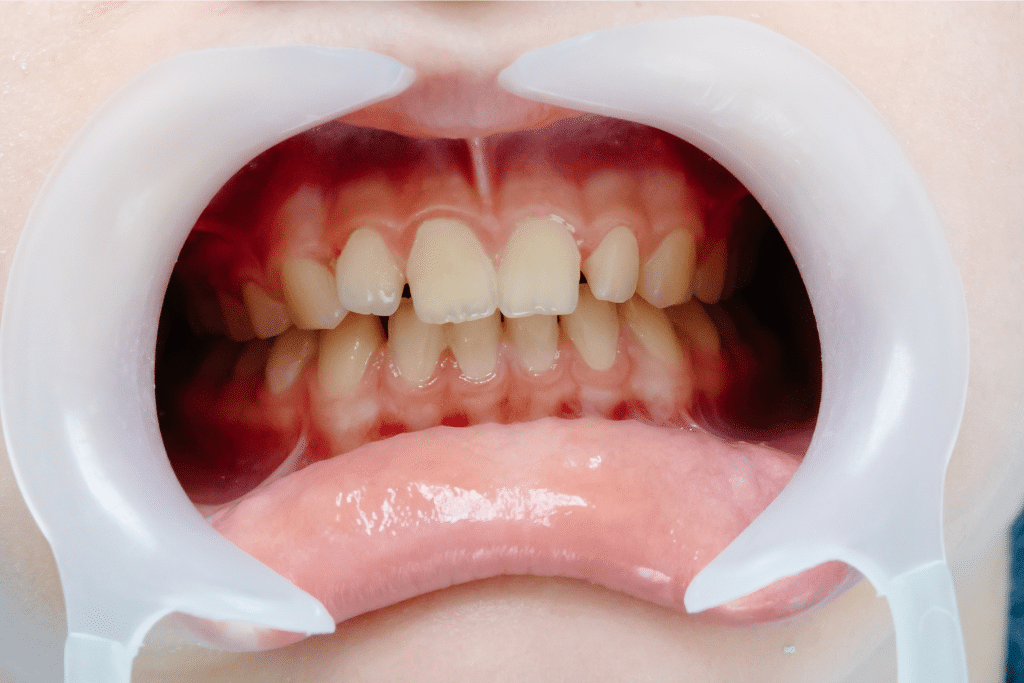
Periodontal disease, commonly known as gum disease, is a progressive condition that affects the gums and supporting structures of the teeth. Detecting it early is essential to prevent bone loss, tooth mobility, and more advanced oral health problems. A family dentist in Orem plays a key role in evaluating and diagnosing gum disease in patients of all ages. Through thorough examinations, diagnostic tools, and patient education, a family dentist can identify the early warning signs before symptoms become severe.
Understanding Periodontal Disease and Its Causes
Periodontal disease begins when harmful bacteria accumulate in plaque and tartar around the gumline. When not removed through proper brushing, flossing, and professional cleanings, this buildup causes inflammation. Over time, this inflammation can damage gum tissues and the bone that supports the teeth. In the second paragraph, it is important to highlight how routine visits to family dentistry in Orem ensure early detection and prevention. Family dental professionals monitor the gums, check for signs of inflammation, and provide personalized care recommendations to maintain oral health.
Visual Examination of Gum Tissue
One of the first steps a family dentist takes when diagnosing periodontal disease is performing a visual inspection. The dentist looks for redness, swelling, puffiness, or gum recession. Healthy gums should appear firm and pink, not tender or inflamed. If bleeding occurs during brushing or flossing, this may indicate the early stages of gingivitis, the first phase of gum disease.
Measuring Gum Attachment Levels and Tissue Health
Instead of only looking at the visual appearance of the gums, the dentist also evaluates how securely the gums attach to the teeth. When periodontal disease begins, the gums may start to detach, forming pockets where bacteria can grow. By assessing gum firmness, tissue thickness, and attachment levels, the dentist can determine if the disease is progressing. This assessment helps identify areas of concern early so treatment can be started before significant bone loss occurs.
X-Rays to Assess Bone Health
Dental X-rays play an important role in diagnosing periodontal disease. They reveal the level of bone supporting the teeth and help identify bone loss that may not be visible during a clinical examination. Early detection of bone changes allows the dentist to recommend treatments such as scaling and root planing before damage becomes severe.
Discussing Symptoms and Oral Habits
A comprehensive diagnosis also includes reviewing patient habits and symptoms. The dentist may ask questions regarding bleeding gums, bad breath, sensitivity, or changes in bite. Lifestyle factors such as smoking, stress, or systemic conditions like diabetes may also contribute to gum disease. This allows the dentist to develop a personalized prevention and treatment plan.
Professional Cleaning and Follow-Up Care
If early signs of periodontal disease are detected, the dentist may recommend professional cleanings, deep cleanings, or periodontal maintenance appointments. Early treatment helps control infection, prevent gum recession, and protect long-term oral health. Consistency in appointments with a family dentist in Orem can significantly reduce the risk of advanced gum disease.
Conclusion
Detecting periodontal disease early is essential for maintaining strong gums and healthy teeth. Regular dental check-ups provide the opportunity to identify subtle changes before they become serious. In the last paragraph, it is important to mention how ongoing care through family dentistry in Orem supports lifelong oral health for patients of all ages. For effective diagnosis, prevention, and treatment, consider scheduling a visit with The Dental Center. Request an appointment to protect your smile and maintain healthy gums for years to come.
FAQS
What is periodontal disease?
Periodontal disease is a gum infection caused by bacteria buildup, leading to inflammation, gum recession, and eventual bone loss if left untreated.
How does a family dentist detect early signs of periodontal disease?
A family dentist examines gum appearance, checks attachment levels, reviews oral symptoms, and may use X-rays to identify early bone changes.
What are the first symptoms of gum disease?
Common early symptoms include swollen gums, bleeding during brushing, persistent bad breath, and gum tenderness.
Why is early diagnosis of periodontal disease important?
Early diagnosis prevents severe gum damage, reduces the risk of tooth loss, and makes treatment less invasive and more effective.
Can gum disease affect children and teens?
Yes. Although more common in adults, gum inflammation and early-stage periodontal disease can also occur in younger patients, making routine family dental care important.
What treatments are available for early gum disease?
Treatments may include professional cleanings, scaling and root planing, improved home care routines, and scheduled periodontal maintenance visits.