
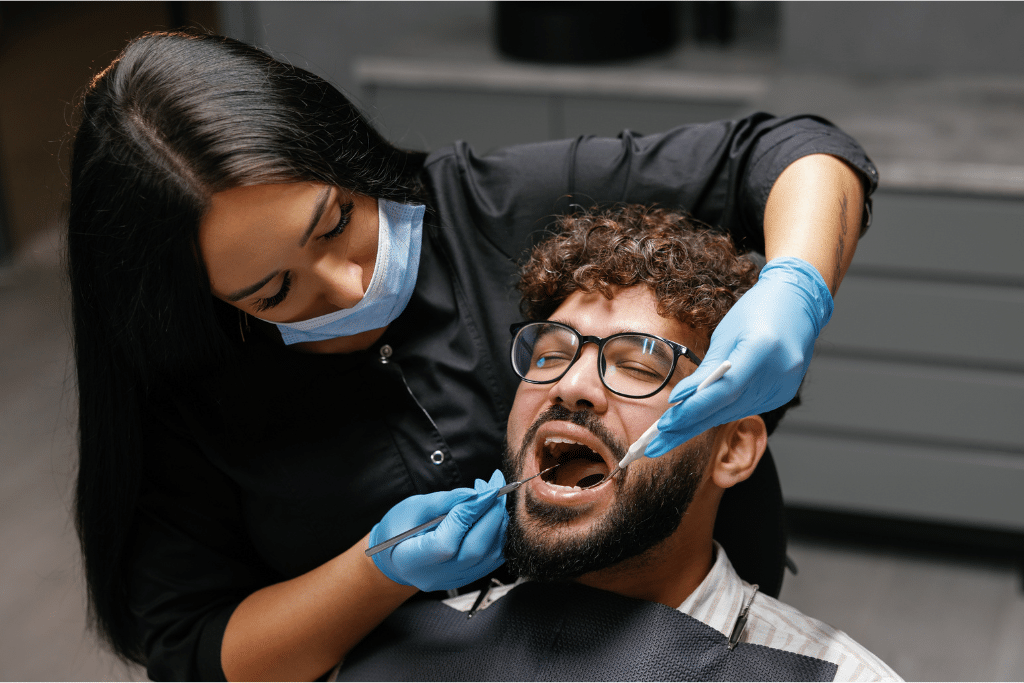
There’s a reason your dentist starts paying closer attention once you hit your 40s. Your smile has been working hard for decades chewing, talking, grinding through stress, and weathering everything from iced drinks to hot coffee. By the time you reach middle age, the cumulative effects of all that daily wear begin to show up in ways that can genuinely surprise you.
If you’ve noticed changes in your teeth or gums recently and you’ve been searching for a dentist near me in Orem, you’re not alone and you’re asking exactly the right question. Experienced dental professionals serving the Orem community see adults every week who are dealing with dental issues they didn’t know were coming. Here’s what to watch for.
Many adults assume that if they made it through their younger years without major dental problems, they’ll continue enjoying the same level of oral health indefinitely. Unfortunately, aging introduces new challenges that require a more proactive approach. Understanding these common concerns can help you protect your smile for years to come.
Gum Disease (And Why It Gets Sneakier With Age)
Periodontal disease is one of the most underdiagnosed conditions in adults over 40. The problem is that it’s often painless in the early stages. You may notice slight bleeding when you brush, or your gums may look like they’re pulling back from your teeth and then dismiss it as normal.
It’s not normal. Gum disease, left untreated, leads to bone loss, tooth loss, and has been linked to systemic health problems including heart disease and diabetes. If you’re in Orem or surrounding communities like Lindon or Pleasant Grove and you haven’t had a periodontal screening recently, now is a good time.
Some of the most common warning signs include:
- Bleeding gums during brushing or flossing
- Persistent bad breath
- Gum recession or teeth appearing longer
- Loose teeth or changes in your bite
The earlier gum disease is detected, the easier it is to treat. Regular dental visits can often identify problems before they progress into more serious conditions that require extensive treatment.
Tooth Sensitivity That Wasn’t There Before
If sipping your morning coffee or biting into something cold makes you wince, you’re experiencing a very common issue for adults in their 40s and beyond. Enamel naturally thins over time, and as it does, the dentin underneath becomes more exposed. Receiving gums also common with age expose the root surface, which has no enamel protection at all.
A dentist in Orem UT can identify the specific cause of your sensitivity and recommend targeted solutions, from prescription-strength fluoride treatments to in-office desensitizing procedures.
Sensitivity isn’t something you simply have to live with. In many cases, treatment can provide significant relief while also addressing the underlying cause before it becomes a larger concern.
Dry Mouth From Medications
By the time many adults reach their 40s, they’re on at least one daily medication and hundreds of common prescriptions list dry mouth as a side effect. This matters more than most people realize. Saliva is your mouth’s first line of defense against bacteria and tooth decay. Without it, cavities can develop rapidly, especially on the root surfaces that may be exposed due to gum recession.
If you’re taking medications for blood pressure, allergies, anxiety, or any number of other conditions, bring that medication list to your next dental appointment. Your provider needs to know.
Dry mouth can also affect your comfort and quality of life. Many patients report difficulty swallowing, changes in taste, or waking up with a dry, sticky feeling in their mouth. Addressing the issue early can help reduce the risk of future dental complications.
Worn, Cracked, or Fractured Teeth
Decades of chewing, teeth grinding (bruxism), and even habits like chewing ice or hard candy take a toll. Many adults are shocked when their dentist points out micro-cracks or areas of significant wear that weren’t visible in the mirror. Left unaddressed, these can become painful fractures that require crowns, root canals, or even extraction.
The good news is that early intervention is simple. If you’ve been looking for a dentist near me in Orem, getting a comprehensive exam before small cracks become big problems is exactly the kind of proactive care that saves both discomfort and money down the road.
Nighttime grinding is especially common among adults experiencing stress. Because it often occurs during sleep, many people don’t realize it’s happening until damage has already occurred. Protective appliances and preventive treatments can help preserve your natural teeth.
Increased Cavity Risk — Even in Adults Who Never Had Them
There’s a myth that cavities are a childhood problem. The truth is that adults over 40 face cavity risk from multiple directions at once: receding gums expose root surfaces (which decay faster than enamel), dry mouth reduces saliva’s protective role, and changing diets or stress habits can introduce more sugar. People who wore braces as teenagers may have adhesive remnants that catch bacteria.
A dentist in Orem UT who sees you regularly can catch early decay before it becomes a filling and catch that filling before it becomes a root canal.
Factors that commonly increase cavity risk after 40 include:
- Gum recession exposing vulnerable root surfaces
- Reduced saliva production from medications
- Frequent snacking or sugary beverages
- Existing dental restorations that require monitoring
Preventive care remains one of the most effective ways to reduce treatment costs and avoid unnecessary dental discomfort later in life.
Oral Cancer Screening Becomes More Important
Health experts recommend that adults receive an oral cancer screening as part of their routine dental visits. The risk increases with age, making regular screenings an important part of preventive care. Catching abnormal tissue changes early can significantly improve treatment outcomes and help protect your overall health.
Many patients are unaware that oral cancer screenings are quick, painless, and can be completed during a standard dental examination. These screenings allow dental professionals to identify potential concerns that might otherwise go unnoticed until symptoms become more serious.
Why Prevention Matters After 40
One of the biggest misconceptions about aging is that dental problems are inevitable. While certain risks increase with age, many of the most common conditions can be prevented or managed successfully with consistent professional care and healthy habits.
The key is staying ahead of problems before symptoms become severe. Small issues discovered during routine visits are almost always easier, less invasive, and less expensive to treat than problems that have been ignored for months or years.
Your 40s don’t have to mean the beginning of dental decline; they can be when you get ahead of it. At The Dental Center, our team provides personalized, comprehensive care for adults at every stage of life. Whether you’re dealing with sensitivity, gum concerns, or just haven’t been to the dentist in a while, we’d love to see you.
If you’re searching for a dentist near me in Orem, now is the perfect time to schedule a preventive evaluation and gain a clearer understanding of your oral health. Investing in your smile today can help you avoid more complex dental issues in the future.
Schedule your appointment today at The Dental Center because protecting your teeth and gums now can help prevent bigger problems later.
Frequently Asked Questions
How often should I see a dentist after age 40?
Most adults benefit from visits every six months, though some may need more frequent care.
Is gum recession reversible?
Mild recession can often be managed, while severe cases may require gum grafting.
Why do my teeth feel more sensitive than they used to?
Enamel wear and gum recession commonly expose more sensitive tooth structures.
Does dry mouth cause cavities even if I brush and floss regularly?
Yes. Reduced saliva increases cavity risk despite good oral hygiene habits.
What’s the difference between a dental cleaning and a periodontal cleaning?
A periodontal cleaning treats gum disease below the gumline, while a regular cleaning focuses above it.