
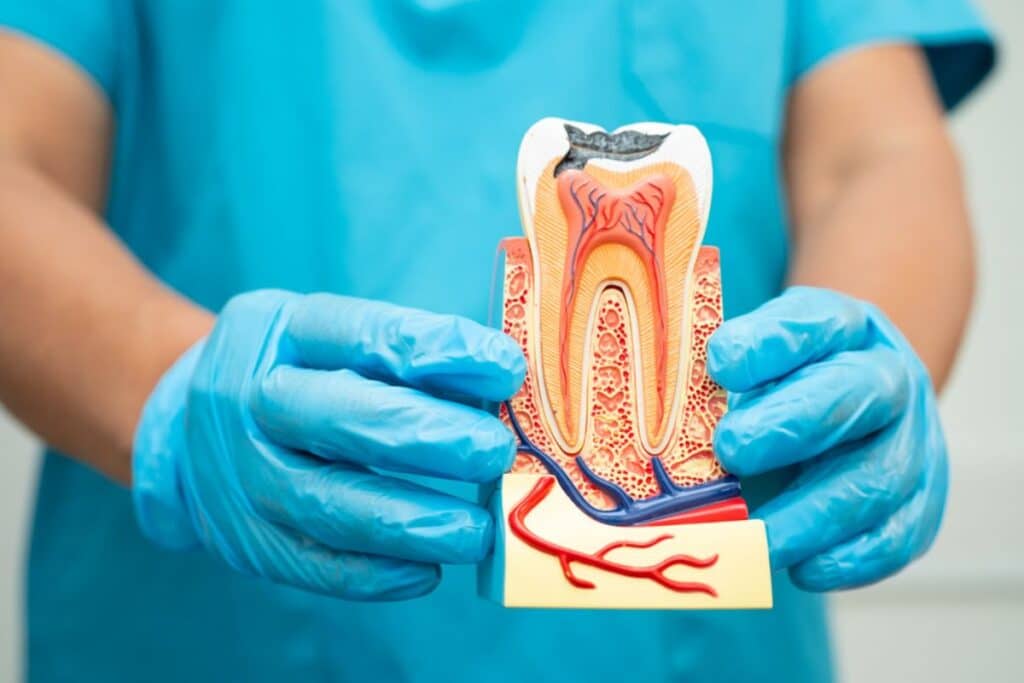
Experiencing persistent tooth discomfort? It might be more than just a passing ache. Such pain could signal the need for a root canal treatment. This common dental procedure can effectively save a damaged tooth. Knowing the signs is crucial for timely intervention and preserving your natural smile.
What is a Root Canal?
A root canal treatment is a dental procedure designed to save a tooth with infected or damaged pulp. The dentist removes the inflamed pulp, cleans and disinfects the inside of the tooth, then fills and seals the space. This process eliminates pain and prevents further infection, preserving your natural tooth.
Understanding The Urgency Of Root Canal Treatment
Not all toothaches are minor. While some sensitivity is normal, a severe or lingering toothache demands attention. This persistent pain often indicates an infection deep within your tooth’s pulp. Ignoring it can lead to more serious complications, including the spread of infection or even tooth loss. Early detection is vital for successful root canal therapy. Let us understand why we need to understand a root canal treatment from the following –
- Persistent Tooth Sensitivity to Temperature : Do hot coffee or cold ice cream cause prolonged discomfort? If sensitivity lingers long after the hot or cold stimulus is gone, it’s a significant warning sign. This extended reaction suggests potential nerve damage or inflammation within the tooth’s pulp. Don’t dismiss this symptom; it often points towards the need for root canal treatment.
- Swollen, Tender Gums Around a Specific Tooth : Inflamed or tender gums, especially around one particular tooth, are concerning. This swelling often indicates an underlying infection. You might even notice a small, pus-filled bump, known as a “fistula.” This is a clear sign of active infection and requires immediate dental evaluation for potential root canal therapy in Orem.
- Tooth Discoloration: A tooth that appears discolored, turning dark or grayish, is a serious indicator of internal damage. This change in color suggests compromised blood supply to the tooth or a dying pulp. Such discoloration can result from trauma or long-standing decay. A discolored tooth often requires root canal treatment to prevent further issues.
- Pain When Chewing or Biting Down : If you experience sharp pain when biting or chewing, it’s a strong sign of pulp inflammation or infection. The pressure irritates the compromised nerve, making eating uncomfortable. This symptom frequently suggests that an infection is present and likely warrants root canal therapy. Your meals shouldn’t be a painful experience.
- Loose Tooth: A tooth that feels wobbly or loose is a major cause for concern. This often occurs when a severe infection has weakened the bone supporting the tooth. While alarming, root canal treatment can sometimes stabilize the tooth by addressing the infection. Prompt action is critical to try and save the tooth.
The Importance of Prompt Action and Root Canal Therapy
Delaying treatment for these signs can lead to severe consequences. The infection can spread, potentially affecting other parts of your body. Ultimately, you might lose the affected tooth entirely. Root canal therapy in Orem aims to preserve your natural tooth by removing the infected pulp, thoroughly cleaning the area, and sealing it to prevent future infection.
During the procedure, the infected material is carefully removed, and the inner chamber of the tooth is cleaned and shaped. It’s then filled and sealed, often followed by a crown to restore the tooth’s strength and appearance. Modern techniques ensure the procedure is generally comfortable and effective.
Protect Your Smile – Seek Professional Advice
Recognizing these symptoms is the first step towards maintaining your oral health. Early intervention through a root canal treatment can alleviate pain and save your tooth. Don’t let tooth pain compromise your daily life or your smile.
Experiencing any of these symptoms and considering Root Canal Therapy in Orem? Don’t wait for the pain to worsen. Contact us today to schedule your consultation and explore your options for a healthier, pain-free smile!