
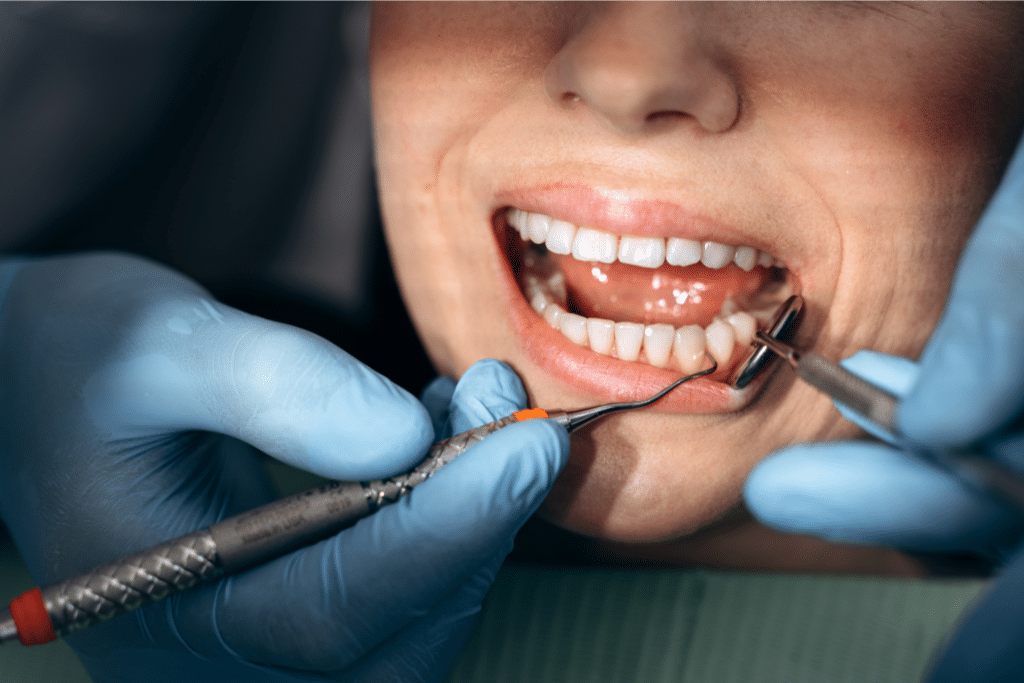
Most people wait to see a dentist only when something hurts. The surprising truth is that many serious dental issues don’t cause pain until they’re advanced and by then, treatment can be more complex and costly. Modern dentistry focuses on early detection, catching small concerns before they turn into big problems.
Regular dental visits aren’t just about clean teeth. They’re about protecting your long-term oral health, your comfort, and your confidence. Below, we’ll explore how dentists uncover hidden problems early and why this matters so much for families and professionals living in and around Orem.
Why Dental Problems Often Go Unnoticed
Your mouth is good at adapting. Cavities can grow slowly, gum disease can progress silently, and hairline cracks in teeth may not hurt at all. Many patients feel perfectly fine even when changes are happening below the surface.
That’s where a trusted dentist in Orem plays a vital role using clinical training, advanced tools, and a trained eye to detect issues long before symptoms appear.
Tools Dentists Use To Find Problems Early
1. Digital X-Rays That See What Eyes Can’t
Digital X-rays allow dentists to examine areas beneath the enamel and below the gumline. They help detect:
- Early cavities between teeth
- Bone loss linked to gum disease
- Infections near tooth roots
- Impacted or misaligned teeth
With modern low-radiation technology, these images are safe and especially helpful for families with growing children.
2. Detailed Gum Health Measurements
Gum disease often starts silently. Dentists measure the depth of gum pockets around each tooth to spot inflammation or early periodontal disease. Catching this early can prevent tooth loss and support overall health.
For many Utah County residents balancing busy work schedules, outdoor activities, and family life, this proactive step helps avoid more serious procedures later.
3. Visual Exams Trained By Experience
Dentists are trained to notice subtle changes most people miss, such as:
- Slight color changes in enamel
- Early enamel erosion from acidic foods or drinks
- Small cracks caused by clenching or grinding
- Wear patterns linked to stress or nighttime grinding
These clues can reveal habits or conditions that need attention before damage becomes permanent.
4. Oral Cancer Screenings
During routine exams, dentists check the tongue, cheeks, throat, and jaw for unusual tissue changes. Early detection of oral cancer can be life-saving, especially when symptoms aren’t yet noticeable.
5. Bite And Jaw Assessments
Jaw discomfort, headaches, or uneven tooth wear can point to bite issues or TMJ concerns. Dentists evaluate how your teeth fit together and how your jaw moves to prevent long-term joint or muscle problems.
Why Early Detection Matters More Than You Think
Finding dental issues early offers real advantages:
- Simpler treatments instead of complex procedures
- Lower costs over time
- Less discomfort and fewer emergencies
- Better long-term oral health
For people in Orem and nearby communities whether commuting to Provo, attending UVU or BYU, or raising families, preventive care fits better into busy lifestyles than last-minute dental emergencies.
Local Lifestyle Factors Dentists Watch For
Dentists also consider local habits and conditions that affect oral health, such as:
- Dry mouth linked to Utah’s climate
- Tooth wear from outdoor sports and recreation
- Increased stress-related grinding
- Seasonal changes that affect hydration and oral bacteria
Understanding these local factors helps a dentist in Orem provide more personalized, relevant care.
Signs You Might Have A Hidden Issue
Even without pain, it’s smart to schedule a checkup if you notice:
- Bleeding gums when brushing
- Persistent bad breath
- Mild sensitivity to hot or cold
- Changes in how your teeth fit together
A second visit with a dentist in Orem UT can often confirm whether these are harmless or early warning signs.
Tips To Support Early Detection At Home
While professional exams are essential, you can help by:
- Brushing twice daily with fluoride toothpaste
- Flossing once a day
- Drinking plenty of water
- Limiting sugary snacks and acidic drinks
- Replacing your toothbrush every 3–4 months
These habits make it easier for your dentist to spot subtle changes during exams.
Protect Your Smile Before Problems Start
Catching dental issues early isn’t about fear, it’s about confidence and prevention. With the right care, you can stay ahead of problems and enjoy a healthier smile for years to come.
If you’re ready for proactive, personalized dental care close to home, schedule your appointment with The Dental Center today and take the first step toward long-term oral health.
Frequently Asked Questions
How Often Should I Visit The Dentist If Nothing Hurts?
Most adults benefit from checkups every six months, even if they feel fine.
Are Dental X-Rays Safe?
Yes. Digital X-rays use very low radiation and are considered safe for both adults and children.
Can Gum Disease Really Have No Symptoms?
Yes. Early gum disease often causes no pain, which is why routine exams are so important.
Do Dentists Check More Than Just Teeth?
Absolutely. Exams include gums, jaw joints, bite alignment, and oral cancer screenings.
Is Early Treatment Really Less Expensive?
In most cases, yes. Preventive care and early intervention reduce the need for major procedures later.