
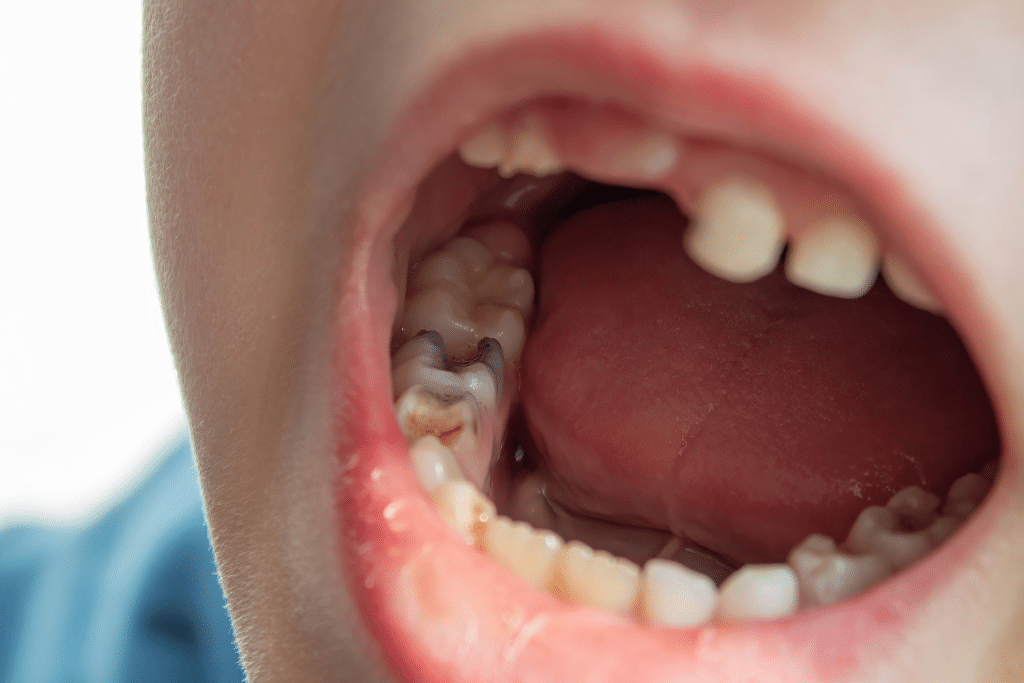
Your teeth don’t suddenly wake up one day with cavities. There are always warning signs. The problem? Most people brush them off, assuming it’s “nothing serious.” A slight sensitivity here, a small dark spot there… easy to ignore, right?
But here’s the truth: tooth decay is progressive. What starts as a minor issue can quietly turn into pain, infection, or even tooth loss if left untreated and this is exactly what a dentist works to prevent. The good news is that your mouth usually gives you early clues; you just need to know what to look for.
If you’ve been putting off a dental visit, this might be the nudge you need. Many patients who later visit a dentist in Orem often realize they noticed symptoms much earlier but didn’t act on them.
Let’s break down the signs your teeth may already be sending you
Early Warning Signs of Tooth Decay
1. Tooth Sensitivity That Comes and Goes
Do you feel a quick zing when drinking something cold or eating sweets? That’s not just “normal sensitivity.” It can be an early sign that enamel is weakening and decay is starting to develop.
Pay attention if:
- The sensitivity is recurring
- It’s getting more intense over time
2. Persistent Toothache (Even Mild Ones)
Not all toothaches are severe. Sometimes it’s just a dull discomfort you learn to live with. But that lingering pain is your body’s way of saying something isn’t right.
Even mild pain should never be ignored—it often means decay has reached deeper layers.
3. Visible Spots or Discoloration
Tooth decay doesn’t always look dramatic. It can appear as:
- White chalky spots (early enamel damage)
- Brown or black stains (advanced decay)
These changes are easy to miss unless you’re looking closely in the mirror.
4. Bad Breath That Won’t Go Away
Chronic bad breath isn’t just about food or hygiene. Bacteria from decaying teeth can produce a persistent odor that brushing alone won’t fix.
If mouthwash isn’t helping, it’s time to dig deeper.
5. Rough or Pitted Tooth Surfaces
Run your tongue over your teeth. Do you feel any rough edges or tiny holes? That could be early cavity formation.
This is one of the most overlooked signs people mention when visiting Orem dentists later on.
6. Bleeding Gums Alongside Tooth Pain
While bleeding gums are often linked to gum disease, they can also appear alongside decay especially when oral hygiene is compromised.
7. Food Getting Stuck More Often
If you notice food frequently getting trapped in the same spot, it might indicate a developing cavity or enamel breakdown in that area.
Why Ignoring These Signs Can Cost You
Tooth decay doesn’t stop on its own. Without treatment, it can lead to:
- Deep cavities
- Infections or abscesses
- Root canal treatments
- Tooth loss
What could have been a simple filling can quickly turn into a more complex (and expensive) procedure.
Many people in the area delay care due to busy schedules, but local access to a dentist in Orem makes early treatment more convenient than ever.
Local Lifestyle Habits That May Be Affecting Your Teeth
Living in and around Orem comes with its own routines and some of them may be impacting your oral health more than you realize:
- Frequent coffee runs: Popular local cafés mean more exposure to staining and acidity
- Sugary drinks on the go: Busy lifestyles often lead to quick, sugary beverage choices
- Outdoor activities: Hydration is key, but sports drinks can increase decay risk
- Fast meals between work and errands: Less time for proper brushing
Small daily habits add up over time. Being mindful can make a big difference.
Simple Ways to Prevent Tooth Decay
The best way to deal with tooth decay is to stop it before it starts or catch it early.
Here’s what you can do:
- Brush twice daily with fluoride toothpaste
- Floss at least once a day
- Limit sugary snacks and drinks
- Drink plenty of water
- Schedule regular dental checkups
Even with good habits, professional cleanings and exams are essential. That’s why many locals trust experienced Orem dentists to keep their smiles on track.
Quick Self-Check: Should You Be Concerned?
Ask yourself:
- Do I feel sensitivity when eating or drinking?
- Have I noticed any discoloration on my teeth?
- Is there a spot where food keeps getting stuck?
- Do I have occasional tooth pain?
If you answered “yes” to even one, it’s worth getting it checked.
Don’t Wait Until It Hurts
Tooth decay is much easier (and more affordable) to treat when caught early. Ignoring the warning signs can lead to unnecessary discomfort and complex procedures down the road.
If you’ve noticed any of these symptoms, now is the right time to act. A trusted dentist in Orem can help you identify the issue early and keep your smile healthy for years to come.
Ready to Take the Next Step?
At The Dental Center, we’re here to make dental care simple, comfortable, and stress-free. Whether it’s a routine checkup or addressing early signs of decay, our team is ready to help you protect your smile.
Book your appointment today and give your teeth the care they deserve.
FAQs
1. Can Tooth Decay Go Away On Its Own?
No. Early enamel damage can sometimes be reversed with fluoride, but cavities require professional treatment.
2. How Fast Does Tooth Decay Spread?
It depends on your oral hygiene and diet. In some cases, it can progress within months.
3. Is Sensitivity Always A Sign Of Decay?
Not always, but it’s one of the most common early indicators. It’s best to have it evaluated.
4. Are Cavities Always Painful?
No. Many cavities develop without pain until they reach deeper layers.
5. How Often Should I See A Dentist?
Most people benefit from visits every six months, but your dentist may recommend a different schedule based on your needs.