
How Family Dentists Detect Cavities Before They Become Painful
If you have ever bitten into an ice cream cone and felt a sudden jolt of pain, you already know how a cavity likes to announce itself usually at the worst possible moment. But here’s the truth most people in Orem and the surrounding Utah Valley don’t realize: by the time a cavity hurts, it has often been quietly growing for months, sometimes years. A trained eye can catch tooth decay long before it reaches that painful stage.
That’s why routine visits matter so much. Good family dental care isn’t just about polishing your teeth twice a year; it’s about catching small problems before they turn into a root canal, a late-night emergency call, or a filling that could have been avoided altogether. Regular visits to a family dentist in Orem help identify these warning signs early, allowing for simpler and more effective treatment. Families across Orem, Provo, and Lindon rely on their local dental team to spot potential issues during routine checkups, long before any pain shows up.
Why Cavities Don’t Always Hurt Right Away
Tooth enamel is the hardest substance in the human body, and it puts up a good fight against decay. Early cavities form in the outer enamel layer, which has no nerve endings, so you cannot feel anything happening. Pain typically kicks in once decay pushes through to the dentin layer or reaches the nerve inside the tooth. That gap between “decay starts” and “decay hurts” can run six months to two years, depending on diet and oral hygiene habits.
This is exactly the window where a skilled dentist can step in and stop the process in its tracks.
The Tools and Techniques Dentists Actually Use
Visual and Physical Exams
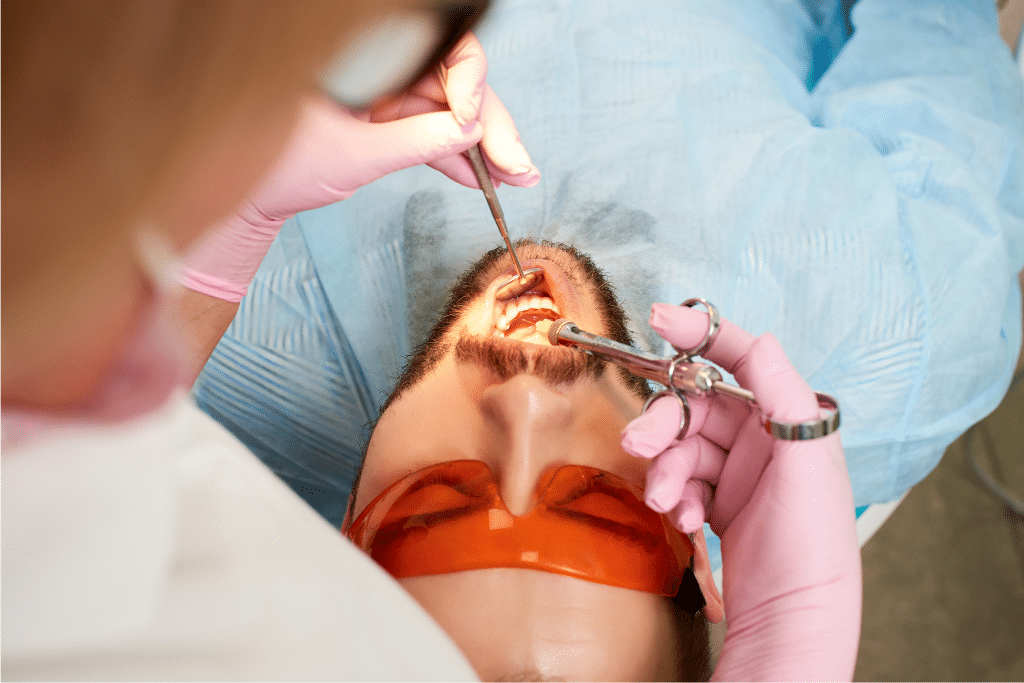
A dentist trained in early detection looks for subtle color changes, small white or brown spots, rough patches, or spots where a dental explorer (that little metal pick) catches slightly instead of gliding smoothly. These are often the first physical signs that enamel is starting to break down.
Digital X-Rays
This is where most hidden cavities get caught. Digital bitewing X-rays reveal decay happening between teeth or underneath old fillings spots your dentist simply cannot see with the naked eye. Most Utah dental offices, including many right here in Orem, now use digital imaging, which also means significantly lower radiation exposure than old-style film X-rays.
Laser Cavity Detection
Some modern practices use laser fluorescence devices that measure the density of tooth structure. Healthy enamel reflects light differently than decayed enamel, so the device can flag a cavity that’s still microscopic often before it would ever show up on an X-ray.
Intraoral Cameras
Small cameras let the dentist, and you, see a magnified, well-lit view of every tooth surface on a screen in real time. It’s one of the easiest ways for patients to actually understand what’s happening in their own mouth, rather than just taking the dentist’s word for it.
Saliva and Risk Assessment
Your saliva plays a role too. Dentists evaluate saliva flow, pH balance, and bacterial activity to gauge your personal cavity risk. Someone with dry mouth, frequent snacking, or a history of decay may need more frequent checkups than someone with low risk.
Why This Matters More in Utah County
Local water matters here. Several cities throughout Utah County, including parts of Orem, have varying levels of natural and added fluoride in the municipal water supply, which affects how resistant a person’s enamel is to decay. Families who rely heavily on bottled or filtered water at home may unknowingly miss out on that added protection, making professional monitoring even more important.
Add in the fact that Utah County has one of the highest percentages of young families in the state, with school-age kids constantly snacking, playing sports with or without mouthguards, and plenty of BYU and UVU students juggling busy schedules, and you have a community where consistent, preventive checkups genuinely make a difference. Whether your family lives near University Place, University Mall, or out toward Orem’s east bench neighborhoods, a dental home that tracks your history over the years is what actually catches problems early.
This is also why so many households search for a trusted family dentist in Orem rather than bouncing between clinics. Consistency lets a dentist notice that a spot on your molar looks different than it did six months ago, something a brand-new provider seeing you for the first time simply cannot do.
What You Can Do Between Visits
Waiting for your six-month cleaning isn’t the only line of defense. A few habits make early detection even more effective:
- Brush twice daily with fluoride toothpaste and floss at least once a day, especially between back teeth where cavities love to hide.
- Cut back on sipping sugary or acidic drinks throughout the day, since steady sipping bathes your teeth in sugar far longer than one sitting.
- Don’t skip cleaning appointments just because nothing feels wrong; that’s actually the ideal time to catch something small.
Choosing the Right Dental Partner in Orem
Finding a family dentist who takes prevention seriously means fewer surprises, fewer emergency visits, and less money spent on major procedures down the road. It also means your kids grow up seeing the dentist as a normal part of life rather than someone they only meet when something already hurts.
Ready to Catch Problems Before They Start?
Cavities are far easier, cheaper, and less painful to treat when they’re caught early. If it’s been a while since your last checkup, or you’re simply looking for a reliable family dentist in Orem who takes prevention seriously, the team at The Dental Center is ready to help. Book your appointment today and give your smile the head start it deserves.
Frequently Asked Questions
How often should my family get checkups to catch cavities early?
Most patients do well with a cleaning every six months, though higher-risk patients with dry mouth or gum disease may need visits every three to four months.
Can a cavity go away on its own if caught early enough?
Very early enamel demineralization, sometimes called a “white spot lesion,” can often be reversed with fluoride treatment and better hygiene before it becomes a true cavity.
Are dental X-rays safe for kids?
Yes. Digital X-rays emit very low radiation, and protective aprons add extra safety, making them a routine, safe part of pediatric checkups.
Why did my old dentist miss a cavity that showed up later?
Some cavities form between teeth or under existing fillings, invisible without X-rays or laser detection. Regular imaging is why these get caught before they progress.
What’s the difference between a family dentist and a general dentist?
A family-focused practice treats every age, from toddlers to grandparents, under one roof, letting the same dentist track your history over your entire life rather than in isolated visits.