
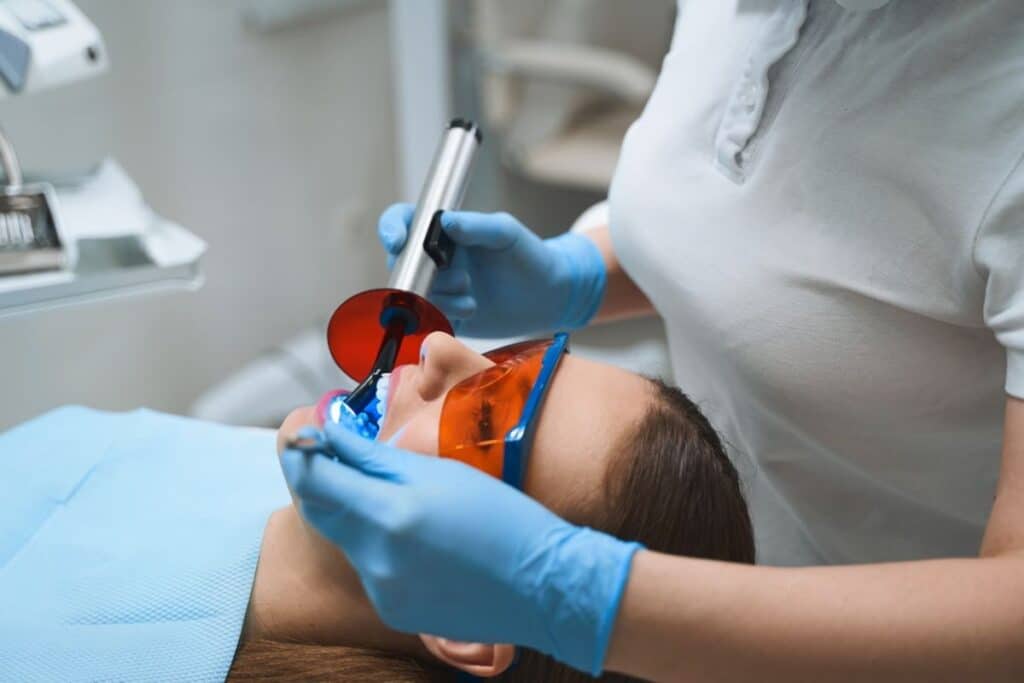
Just had a root canal? Feeling a bit anxious about recovery? Don’t worry! Getting a root canal treatment can save your tooth. This guide will help you heal quickly and comfortably. A smooth recovery is easily achievable with the right steps.
Understanding Root Canal Treatment: Saving Your Natural Smile
A root canal is a dental procedure. It treats infection inside your tooth. The pulp is the soft tissue inside. This pulp contains nerves and blood vessels. When it gets infected, pain occurs. A root canal removes this infected pulp. It cleans and seals the tooth.
Why is a Root Canal Needed?
Infection often comes from deep cavities. Cracks in teeth can also cause it. Injury to the tooth might be another reason. When the pulp becomes infected, it causes pain. You might feel sensitivity to hot or cold. Swelling around the tooth can occur. Sometimes, an abscess forms. This is a pocket of pus. Without treatment, the infection spreads. You could lose your tooth entirely.
The Root Canal Procedure Explained
Your dentist will first numb the area. This ensures a pain-free experience. A small opening is made in the tooth. The infected pulp is carefully removed. Tiny instruments clean the inside. The root canals are then shaped. An antiseptic solution washes the area. The cleaned space is filled. A rubber-like material seals it. This prevents future infection. A temporary filling is placed.
Understanding Your Root Canal Recovery
Root canal treatment removes infected pulp. This procedure saves your natural tooth. Some soreness after a root canal is normal. Your body needs time to heal. Following post-procedure instructions is crucial. This helps prevent complications.
Immediate Aftercare: The First 24 Hours
- Take prescribed pain relievers as directed. Over-the-counter options also help.
- Avoid chewing on the treated tooth.
- Stick to soft foods initially. Think soups, yogurt, and mashed potatoes.
- Cold compresses can reduce swelling. Apply them to your cheek.
- Rest is very important for healing.
Oral Hygiene: Keeping It Clean
- Gentle brushing is essential. Use a soft-bristled toothbrush.
- Floss carefully around the treated tooth.
- Rinse with warm salt water. This helps keep the area clean. It also promotes faster healing.
- Avoid harsh mouthwashes for a few days. Good hygiene prevents infection.
Diet Do’s and Don’ts
- Chew on the opposite side of your mouth.
- Avoid sticky or hard foods. These can dislodge temporary fillings.
- Hot or cold foods might cause sensitivity. Opt for lukewarm items instead.
- Gradually reintroduce normal foods. Listen to your body’s signals.
Managing Pain and Sensitivity
Mild pain is common after a root canal. It usually subsides within days. Your dentist can prescribe stronger medication. Sensitivity to temperature may occur. This typically fades as you heal. Persistent pain needs immediate attention. Contact your dentist if pain worsens.
When to Call Your Dentist
Swelling that gets worse is a concern. Increased pain after several days is not normal. A bad taste in your mouth could mean infection. Any allergic reaction to medication needs care. Don’t hesitate to reach out. Your dentist is there to help.
Long-Term Care for Your Treated Tooth
A permanent crown is often needed. This protects the treated tooth. It also restores full function. Maintain excellent oral hygiene daily. Brush twice and floss once. Regular dental check-ups are vital. These visits ensure your tooth stays healthy. Your root canal treatment will last years.
Getting Back to Normal
You can resume normal activities soon. Avoid strenuous exercise initially. Listen to your body’s limits. A healthy lifestyle aids recovery. Stay hydrated and eat well. Soon you’ll forget about your root canal. Enjoy your healthy smile! Is it time for your next dental appointment? Don’t delay your oral health. Schedule a consultation today!